
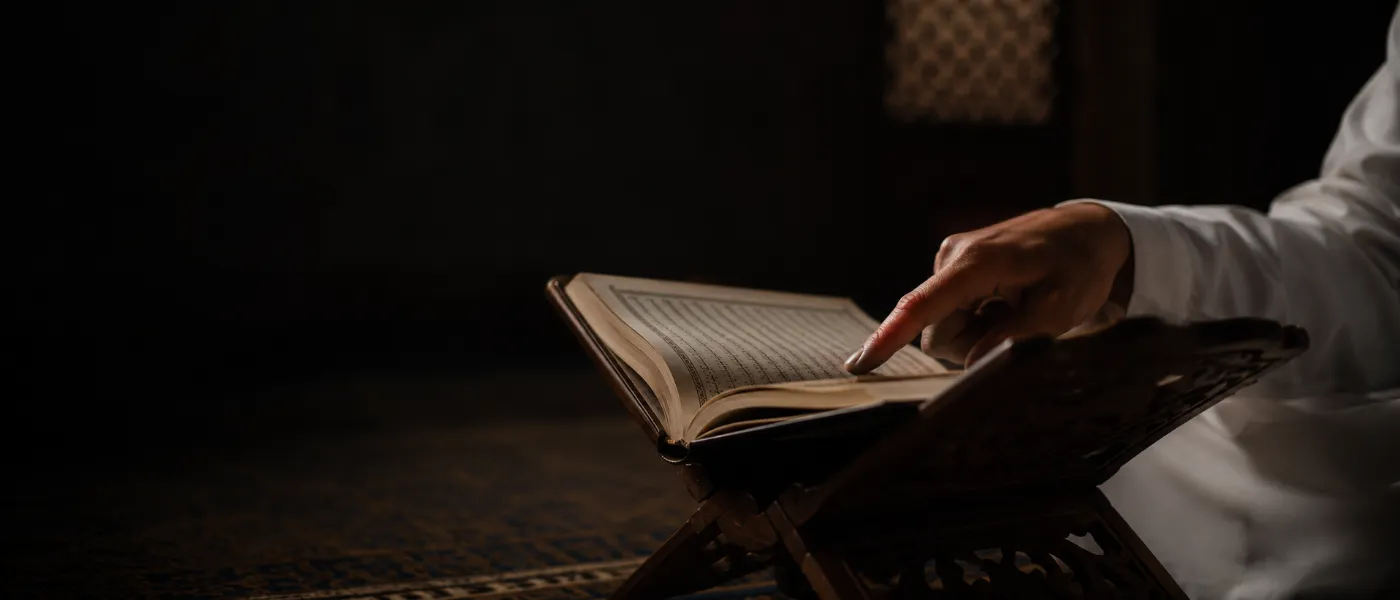
Learn Arabic to Read Quran: A UK Guide for English Speakers


Many British Muslims grew up speaking only English and now want to read the Quran in its original language. Welcome to our Learn Arabic to Read Quran: A UK Guide for English Speakers. It covers realistic timelines, a beginner method, and honest advice on choosing a teacher, without shame or pressure.
Why It Feels Hard to Learn Arabic to Read Quran in Britain
If you grew up in Britain, English is probably the language of your school, your friends and your home. Arabic may have shown up mainly at the mosque, a weekend madrasah or a supplementary school, often through repetition without much explanation. So when you decide to learn Arabic to read Quran, whether as a teenager, an adult or a parent supporting a child, the starting line can feel far away.
That feeling is common, and it does not mean you are behind. Most English speakers who learn Arabic to read Quran share the same worries: an unfamiliar script, sounds that English does not have, and the fear of being corrected in front of others. Adults often add a fourth, the embarrassment of asking for beginner help after years of feeling they “should already know this”.
Parents carry their own weight too, often guilt about not passing Arabic on. The encouraging part is that the task is finite. There are 28 letters, three short vowels (harakat) and a manageable set of rules. Any English speaker can learn them one step at a time, and that is exactly how people successfully learn Arabic to read Quran in the UK every year.
Reading the Quran vs Understanding It: Choose Your Goal
When people say they want to learn Arabic to read Quran, they usually mean one of two goals, and each needs a different plan. Reading the Quran means recognising letters, joining them into words and reciting accurately from the Mushaf. Understanding it means building vocabulary and grammar. Deciding which goal comes first saves months of frustration, because reading the Quran well is the foundation for everything else.
Goal 1: Recite accurately
This is the realistic first target for most beginners. You learn the Arabic alphabet, the harakat and the makharij (points of articulation), then add tajweed so that your recitation becomes accurate and smooth. You do not need to understand every word to begin.
Goal 2: Understand the meaning
This path moves toward Classical Arabic and Modern Standard Arabic, with grammar and vocabulary. It takes longer and uses different skills, but being able to read first makes it far easier. If you are curious how this differs from school Arabic, see our guide to GCSE Arabic vs Quranic Arabic: What’s the Difference?, or explore our Arabic Language courses.
Realistic Timelines to Learn Arabic to Read Quran
Nobody can promise a fixed date, and anyone who does is overselling. How long it takes to learn Arabic to read Quran depends on how often you practise, the quality of the correction you receive, and where you start. As a rough guide, with a qualified teacher and 20 to 30 minutes of practice most days:
| Stage | What you can usually do | Rough timeframe |
|---|---|---|
| Sounds and letters | Recognise and pronounce the 28 letters | Weeks 1 to 4 |
| Vowels and joining | Read simple joined words with harakat | Months 2 to 3 |
| Short surahs | Read short surahs slowly with a teacher | Months 4 to 6 |
| Smooth recitation | Read with growing fluency and basic tajweed | 6 to 12 months or more |
These are typical patterns, not guarantees. Some learners move faster, others need more time, and both are completely normal. What matters most is that you learn Arabic to read Quran accurately first: speed follows from regular repetition, not from long, occasional sessions.
Step-by-Step Method to Learn Arabic to Read Quran
A clear order matters more than any app or book. This sequence works well for English speakers who want to learn Arabic to read Quran from zero. Many UK madrasahs begin with a primer such as the Noorani Qaidah, and a good teacher follows the same logic, so this step-by-step method will feel familiar.
Step 1: Train your ear on the sounds
Several Arabic sounds, such as ع, ح, خ and ق, have no English equivalent. Spend time listening and repeating before worrying about spelling. Our guide to Makharij al-Huruf explains where each sound comes from.
Step 2: Learn the letters and their shapes
Each letter changes shape at the start, middle and end of a word. Learn them in small groups of three or four, writing each one as you say it.
Step 3: Add the short vowels and signs
Fatha, kasra and damma, plus sukoon, shaddah and tanween, tell you how to pronounce each letter. This is where reading starts to feel real.
Step 4: Join letters into words
Practise joining letters and meeting the long vowels (madd). Read slowly and aloud, never silently.
Step 5: Read short surahs with feedback
Move on to Al-Fatihah and the short surahs of Juz Amma. Correction from a teacher matters most here, because mistakes repeated alone quickly become habits.
Step 6: Layer in tajweed gradually
Add rules such as noon sakinah and madd one at a time, not all at once.
A typical 30-minute beginner lesson might run like this: 5 minutes revising previous letters, 10 minutes on new sounds and letter shapes, 10 minutes reading aloud with correction, and 5 minutes planning the next few days of practice.
Choosing the Right Arabic Learning Path: Children, Teens and Adults
Everyone who sets out to learn Arabic to read Quran needs an Arabic learning path that fits their age and situation. The steps above stay the same, but how they are delivered changes.
Children
Short sessions, playful repetition and a steady parental routine work best, and a teacher trained to work with children is well worth looking for. Our online Quran classes for kids page explains how we structure this.
Teens
Teenagers juggling GCSEs or A-levels need flexible timing and a respectful tone. They often progress fastest when they have a say in the schedule.
Adults
Adults usually bring discipline but also self-consciousness. A private, patient setting makes a big difference, and many women prefer learning with a female teacher.
Building a Daily Habit Around a British Routine
A daily habit beats a long weekly session. Ten to twenty minutes before the school run, on the commute or after work is more effective than one long lesson you then do not revisit. When you learn Arabic to read Quran in short, regular bursts, the letters stay in memory. Attach your practice to something you already do, such as your morning tea or the walk home after work, so the daily habit sticks.
Term time and school holidays need different plans. Half-term is a good moment to add extra sessions, and our guide to Quran memorisation during UK school holidays shows how. A simple Quran memorisation schedule with a printable tracker can also help you see your progress.
Common Mistakes English Speakers Make When They Learn Arabic to Read Quran
Avoiding these common mistakes helps you learn Arabic to read Quran faster and with fewer bad habits:
- Relying on transliteration. Roman letters hide Arabic sounds and become a crutch that is hard to drop later.
- Skipping the sounds. Rushing to the letters without the makharij leads to mispronunciation that takes time to unlearn.
- Memorising before reading. Learning surahs by ear without being able to read them leaves gaps in your foundation.
- Changing method constantly. A new app every week feels productive but breaks continuity.
- Comparing yourself with fluent peers. Your starting point is your own, and progress is measured against yesterday.
- Practising alone without correction. Without feedback, small errors repeat until they feel normal.
How to Choose an Online Teacher to Learn Arabic to Read Quran
Choosing the right online teacher can decide whether you succeed when you learn Arabic to read Quran. Use these questions to compare any provider, including us:
| What to check | Why it matters |
|---|---|
| Qualifications and ijazah | Confirms the ability to teach accurate recitation |
| Curriculum designed for English speakers | Avoids assuming any prior Arabic |
| Age-appropriate teaching | Children and adults learn in different ways |
| A trial lesson | Lets you judge the teaching style before committing |
| Regular feedback | Gives you corrections and visible progress |
| Flexible UK timings | Fits around school, work and family life |
At Rahiq Academy, our teachers are Azhar-qualified with ijazah, and our curricula are specialised for adults and children and built to modern educational standards. Children have dedicated teachers, including support for children with learning difficulties, and women can learn with female teachers. We offer two free trial sessions rather than one, and our pricing starts from £7 per hour. For a side-by-side view of what to look for, read our guide to the best online Quranic Arabic course. The right online teacher is the one who makes you feel able to keep going.
FAQs
Q: How long does it take to learn Arabic to read Quran?
A: Many beginners recognise the letters within a few weeks and read simple verses slowly within a few months. Smooth recitation with tajweed often takes six to twelve months or more, so it is regular practice, not lesson length, that decides how fast you progress.
Q: Can I learn Arabic to read Quran if I speak no Arabic at all?
A: Yes. Reading is a separate skill from speaking, so you start with sounds, letters and vowels rather than conversation. This is exactly where most British beginners start.
Q: Do I need Arabic grammar before reading the Quran?
A: No. Grammar helps you understand the meaning later, but accurate reading depends on letters, vowels, makharij and tajweed.
Q: Is it too late to learn as an adult?
A: No. Adults often progress steadily because they practise with purpose. The main challenge is confidence, which patient teaching and a private setting help with.
Q: What age should children start?
A: Many children begin around five or six, once they can focus for short sessions, but every child is different. Short, playful lessons work better than long ones.
Q: Does online learning work for reading Quran?
A: It can work very well with live one-to-one lessons, because the teacher hears and corrects your recitation in real time. A free trial lets you test the format before committing.
Q: Should I use transliteration?
A: Use it sparingly, if at all. Transliteration cannot capture sounds like ع and ق, so aim to move to the Arabic script as early as you can.
Final Thoughts: Start Small and Stay Consistent
Anyone can start. The script is finite, the steps are clear, and what matters most is patience and good correction. Whether you are a parent, a teenager or an adult who has quietly wished to read properly for years, that is the heart of Learn Arabic to Read Quran: A UK Guide for English Speakers: begin with the sounds, add one letter at a time, and keep your practice short and regular. You do not have to be fluent in Arabic to learn Arabic to read Quran, you only have to begin.
Ready to try? Book your free evaluation and use both free trial sessions to feel how a real lesson works, or browse our courses to see which path fits you best.
