
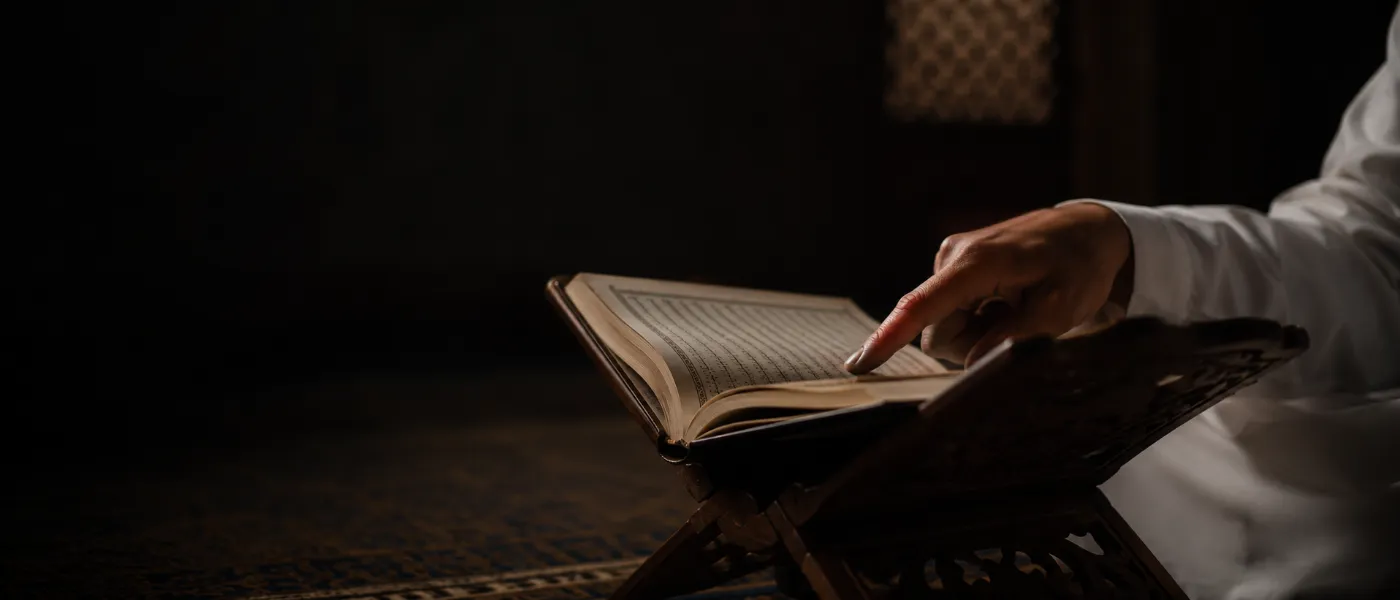
Mauzatain Benefits: Shield Against Evil & Envy


Mauzatain benefits represent a vital part of a Muslim’s daily life, offering divine protection and inner peace. This article explores the significance of Surah Al-Falaq and Surah An-Nas, their profound meanings, and how their recitation shields from various harms. Keep reading to discover how these two short Surahs can bring lasting tranquility and spiritual safety.
What is Surah Mauzatain?
The term “Al-Mu’awwidhatain” refers to Surah Al-Falaq and Surah An-Nas, the last two chapters of the Holy Qur’an. They are called “Mu’awwidhatain” because both begin with a form of seeking refuge: “Say, ˹O Prophet,˺ “I seek refuge in the Lord of the daybreak” and ‘Say, ˹O Prophet,˺ “I seek refuge in the Lord of humankind”.
You may also see the term written as Al-Mu’awwidhatain, Al-Muawwidhatayn, or Mauzatain, especially in Urdu and Hindi. Whichever spelling you use, they all refer to the same two surahs, Surah Al-Falaq and Surah An-Nas.
Now that we understand what is Surah Mauzatain, let us explore the meanings of both Surahs in the next section.
Mauzatain Transliteration
If you cannot read Arabic yet, this transliteration helps you recite the Mauzatain along with the verses above.
Surah Al-Falaq
- Qul a’uzhu bi rabbil-falaq
- Min sharri ma khalaq
- Wa min sharri ghasiqin izha waqab
- Wa min sharrin-naffathati fil-‘uqad
- Wa min sharri hasidin izha hasad
Surah An-Nas
- Qul a’uzhu bi rabbin-nas
- Malikin-nas
- Ilahin-nas
- Min sharril-waswasil-khannas
- Allazhi yuwaswisu fi sudurin-nas
- Minal-jinnati wan-nas
Surah Al-Falaq Meaning in English
Surah Al-Falaq is the 113th chapter of the Qur’an and consists of 5 verses. Its meaning includes the following:
Verse 1:
قُلْ أَعُوذُ بِرَبِّ ٱلْفَلَقِ ١”
“Say, ˹O Prophet,˺ “I seek refuge in the Lord of the daybreak” (Al-Falaq 113:1)
Allah commands His Prophet Muhammad ﷺ to say: I seek protection with the Lord of daybreak from all evil among His creation.
Verse 2:
مِن شَرِّ مَا خَلَقَ ٢”
“from the evil of whatever He has created,” (Al-Falaq 113:2)
That is, seeking refuge in Allah from the harm of every creature that possesses any form of evil.
Verse 3:
“وَمِن شَرِّ غَاسِقٍ إِذَا وَقَبَ ٣”
“and from the evil of the night when it grows dark,” (Al-Falaq 113:3)
“Ghaasiq” refers to the darkness of the night. The verse commands the Prophet ﷺ to seek refuge when the night falls.
Verse 4:
“وَمِن شَرِّ ٱلنَّفَّـٰثَـٰتِ فِى ٱلْعُقَدِ ٤”
“and from the evil of those ˹witches casting spells by˺ blowing onto knots,”
This refers to seeking protection from the evil of sorceresses who blow on knots while performing their incantations.
Verse 5:
وَمِن شَرِّ حَاسِدٍ إِذَا حَسَدَ ٥
and from the evil of an envier when they envy.” ((Al-Falaq 113:5)
This verse refers to seeking refuge in Allah from the harm of every envious person and the effect of their jealousy and ill will.
Surah An-Naas Meaning in English
Surah An-Nas is the last chapter of the Qur’an. It is a short chapter consisting of 6 verses. Its meanings are as follows:
Verse 1: “قُلْ أَعُوذُ بِرَبِّ ٱلنَّاسِ ١”
“Say, ˹O Prophet,˺ “I seek refuge in the Lord of humankind,” (An-Nas 114:1)
Here, Allah commands His Messenger ﷺ to seek refuge in the Lord who created all mankind. He alone has the power to protect from evil and satanic whispers.
Verse 2:
“مَلِكِ ٱلنَّاسِ ٢”
“the Master of humankind,” (An-Nas 114:2)
Meaning that Allah is the Sovereign and Controller of all human beings and their affairs.
Verse 3:
“إِلَـٰهِ ٱلنَّاسِ ٣”
“the God of humankind,” (An-Nas 114:3)
The word “God” here refers to the One who alone deserves to be worshiped. This verse reaffirms seeking refuge in the Lord, Master, and God of mankind from the root of all evil: Satan.
Verse 4:
“مِن شَرِّ ٱلْوَسْوَاسِ ٱلْخَنَّاسِ ٤”
“from the evil of the lurking whisperer—”(An-Nas 114:4)
This refers to the evil and harm of Satan, who constantly whispers to human beings to mislead them. However, Satan can only harm those who are heedless—not the believers who protect themselves with faith and Qur’an.
Verse 5:
“ٱلَّذِى يُوَسْوِسُ فِى صُدُورِ ٱلنَّاسِ ٥”
“who whispers into the hearts of humankind—” (An-Nas 114:5)
It is Satan who spreads evil and doubts in the hearts of people, which is one of his main tactics.
Verse 6:
“مِنَ ٱلْجِنَّةِ وَٱلنَّاسِ ٦”
“from among jinn and humankind.” (An-Nas 114:6)
This verse refers to the devils from both jinn and humans. Thus, we must seek protection from Allah against the evils of both.
Benefits of Daily Practices of Reciting the Mauzatain
There are numerous benefits of daily practices of reciting the Mauzatain, including:
Protection from all evils
Among the mauzatain benefits is that whoever recites them in the morning and evening will be protected from all harm, as mentioned in the following hadith:
وعن عبد الله بن خُبيب -بضم الخاء المعجمة- رضي الله عنه قال: قال لي رسول الله صلى الله عليه وسلم: “اقرأ: قل هو الله أحد، والمعوذتين حين تمسي وحين تصبح، ثلاث مرات، تكفيك من كل شيء”. رواه أبو داود والترمذي وقال حديث حسن صحيح .
‘Abdullah bin Khubaib (May Allah be pleased with him) reported: The Messenger of Allah (ﷺ) said to me, “Recite Surat Al-Ikhlas and Al- Mu’awwidhatain (Surat Al-Falaq and Surat An-Nas) three times at dawn and dusk. It will suffice you in all respects.”
Reciting them after every prayer
It is recommended to recite the Mauzatain after each prayer, as mentioned in this hadith:
حَدَّثَنَا قُتَيْبَةُ، قَالَ حَدَّثَنَا ابْنُ لَهِيعَةَ، عَنْ يَزِيدَ بْنِ أَبِي حَبِيبٍ، عَنْ عُلَىِّ بْنِ رَبَاحٍ، عَنْ عُقْبَةَ بْنِ عَامِرٍ، قَالَ أَمَرَنِي رَسُولُ اللَّهِ صلى الله عليه وسلم أَنْ أَقْرَأَ بِالْمُعَوِّذَتَيْنِ فِي دُبُرِ كُلِّ صَلاَةٍ . قَالَ أَبُو عِيسَى هَذَا حَدِيثٌ حَسَنٌ غَرِيبٌ .
Narrated ‘Uqbah bin ‘Amir: “The Messenger of Allah (ﷺ) ordered me to recite Al-Mu’awwidhatain at the end of every Salat.”
Protection before sleep
Another one of the Mauzatain benefits is reciting them before going to bed. ‘A’isha (may Allah be pleased with her) reported that every night, when the Prophet ﷺ went to bed, he would cup his hands together, blow into them, recite Surah Al-Ikhlas, Surah Al-Falaq, and Surah An-Nas, then wipe over as much of his body as he could, starting with his head and face. He did this three times. (Sahih al-Bukhari 5017)
The Community and Social Benefits of the Mauzatain
Several sayings of the Prophet ﷺ highlight the community and social benefits of the Mauzatain. Among them:
Seeking healing by reciting the Mauzatain:
One of the Mauzatain benefits is their use in healing, as shown in the following hadith:
حَدَّثَنَا يَحْيَى بْنُ يَحْيَى، قَالَ قَرَأْتُ عَلَى مَالِكٍ عَنِ ابْنِ شِهَابٍ، عَنْ عُرْوَةَ، عَنْ عَائِشَةَ، أَنَّ النَّبِيَّ صلى الله عليه وسلم كَانَ إِذَا اشْتَكَى يَقْرَأُ عَلَى نَفْسِهِ بِالْمُعَوِّذَاتِ وَيَنْفُثُ فَلَمَّا اشْتَدَّ وَجَعُهُ كُنْتُ أَقْرَأُ عَلَيْهِ وَأَمْسَحُ عَنْهُ بِيَدِهِ رَجَاءَ بَرَكَتِهَا .
‘A’isha reported that when Allah’s Messenger (ﷺ) fell ill, he recited over his body Mu’awwidhatan and blew over him and when his sickness was aggravated I used to recite over him and rub him with his band with the hope that it was more blessed.
Their verses are among the greatest in the Qur’an:
Another one of the Mauzatain benefits is that they are among the best verses in the Qur’an, as stated in this hadith:
عَنْ عُقْبَةَ بْنِ عَامِرٍ، قَالَ قَالَ رَسُولُ اللَّهِ صلى الله عليه وسلم “ أَلَمْ تَرَ آيَاتٍ أُنْزِلَتِ اللَّيْلَةَ لَمْ يُرَ مِثْلُهُنَّ قَطُّ ( قُلْ أَعُوذُ بِرَبِّ الْفَلَقِ) وَ ( قُلْ أَعُوذُ بِرَبِّ النَّاسِ) ”.
“Uqbah bin Amir reported: The Messenger of Allah ﷺ said to me: There have been sent down to me verses the like of which had never been seen before. (They are): “Qul a’oodhu birabbil Falaq (Surat al-Falaq)”, and “Qul a’oodhu birabbin-naas (Surat al-Nās).”
FAQ
Q: What is Mauzatain in Islam?
A: Mauzatain, or Al-Mu’awwidhatain, means “the two surahs of seeking refuge.” They are Surah Al-Falaq (113) and Surah An-Nas (114), the final two chapters of the Quran, and each one begins with a request for Allah’s protection.
Q: Is Mauzatain the name of one surah?
A: No. Mauzatain is the name given to two surahs together. When people search for “Mauzatain surah,” they mean Surah Al-Falaq and Surah An-Nas, each with its own name and number.
Q: What is the virtue (fazilat) of Mauzatain?
A: The Prophet ﷺ described them as verses the like of which had never been seen, and he taught that reciting them with Surah Al-Ikhlas in the morning and evening is enough for a person in all respects. The Mauzatain benefits also include protection after every prayer and before sleep.
Q: How to read Mauzatain (parhne ka tarika)?
A: Recite Surah Al-Falaq first, then Surah An-Nas, with correct Tajweed. Read them three times each morning and evening, after every prayer, and before sleep. If you are unsure of the pronunciation, learn it from a qualified teacher, and use the transliteration above as a starting guide.
Q: Can Mauzatain be recited for healing or pain?
A: Yes. The Prophet ﷺ used to recite the Mauzatain over himself and blow over his body when he was ill, and ‘A’isha (may Allah be pleased with her) recited them over him in his final illness. Muslims recite them for ruqyah with trust in Allah, alongside seeking proper medical treatment when needed.
Conclusion
In conclusion, Mauzatain benefits are clear in providing protection from evil, peace of mind, and a stronger connection with Allah.
By reciting them regularly each day, we gain complete spiritual and physical protection.
If the virtues of the Mauzatain have touched your heart, let your soul explore more of the light of the Qur’an and Sunnah with Rahiq Academy.
Register now and begin your spiritual journey with online courses in Tafsir, Hadith, and the Prophet’s Seerah.
