
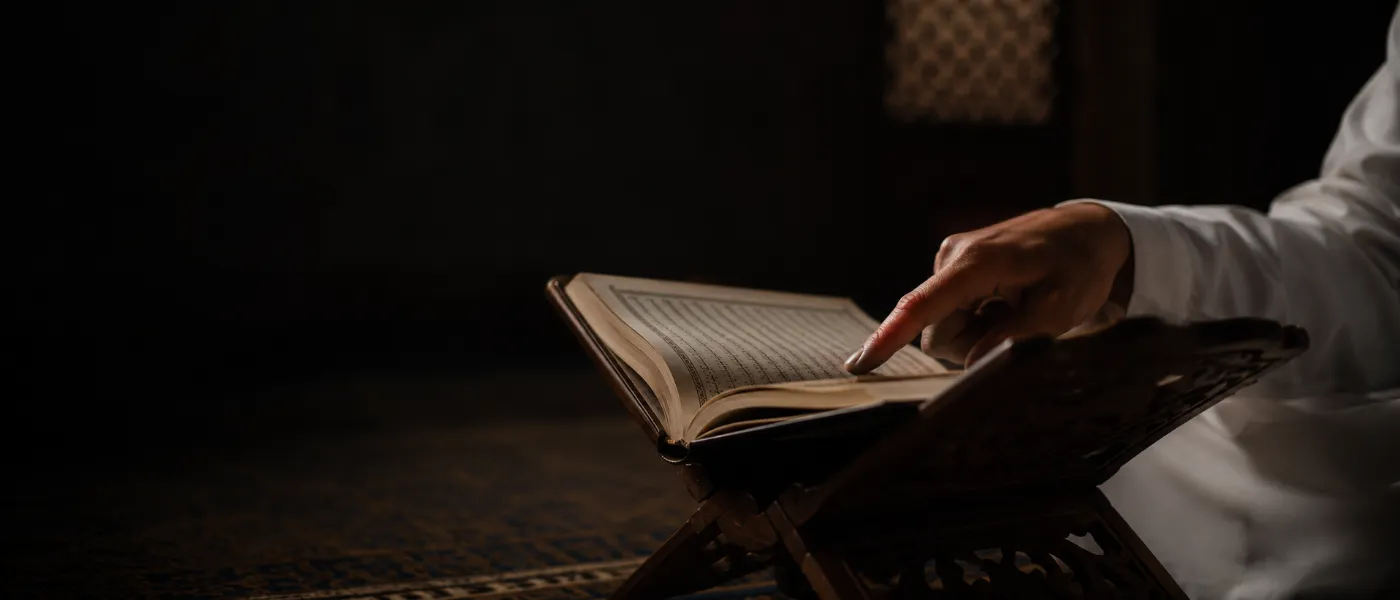
Do Muslims Celebrate Thanksgiving?

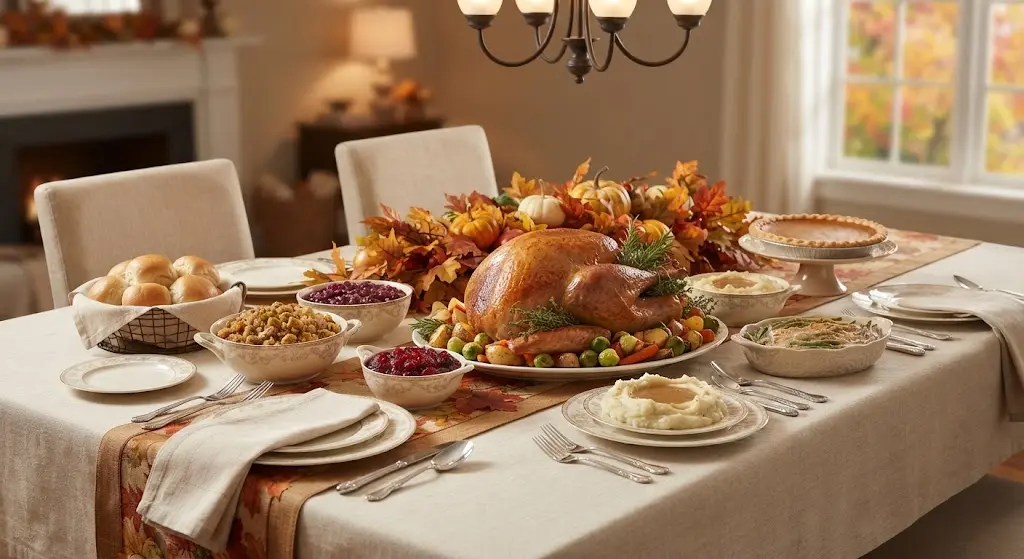
Do Muslims celebrate Thanksgiving? Our answer is no: Thanksgiving is a non-Islamic holiday, and Muslims are taught not to adopt the festivals of other faiths. That doesn’t mean Islam asks us to be ungrateful or unfriendly. Gratitude is part of our faith every day, and kindness to neighbors never stops. Here’s the clear answer, the evidence, and what to do when Thanksgiving comes around.
What Is Thanksgiving, and Where Did It Come From?
Thanksgiving traces back to 1621, when English Pilgrims in Plymouth, Massachusetts, shared a harvest feast with the Wampanoag people. President Abraham Lincoln declared it a national holiday in 1863, and today it falls on the fourth Thursday of November in the United States. (Canada marks its own Thanksgiving in October.) Over time it picked up its own rituals: the turkey dinner, the parade, the football game, and the “what are you thankful for?” round at the table.
Many Americans see it as a secular family day. Still, Thanksgiving began as a tradition of English colonists giving thanks to God according to their own faith, which makes it a non-Islamic occasion from the start.
Why Muslims Don’t Celebrate Thanksgiving
Muslims don’t celebrate Thanksgiving because Islam already gave us our own festivals, Eid al-Fitr and Eid al-Adha. The Prophet Muhammad ﷺ told the people of Madinah that Allah had replaced their old festival days with these two better ones (reported by Abu Dawood and an-Nasa’i). He also taught us to keep our identity distinct, saying:
مَنْ تَشَبَّهَ بِقَوْمٍ فَهُوَ مِنْهُمْ
“Whoever imitates a people is one of them.” (Sunan Abu Dawood, 4031)
This principle is known as tashabbuh, resembling other faiths in their religious or festive practices. Islamweb, one of the most widely read fatwa sites, applies it directly to this holiday. Its fatwa on preparing a turkey dinner on Thanksgiving says the prohibition of resembling non-Muslims covers outward actions, not only beliefs and intentions.
So at Rahiq Academy, our position is simple: Thanksgiving is not a Muslim holiday, and a Muslim shouldn’t celebrate it.
Does “It’s Just Family Time” Change the Ruling?
Many families say their intention is innocent: it’s the one day everyone is off work and school. The same Islamweb fatwa answers this argument directly. Intentions matter in Islam, but a harmless intention doesn’t make imitating non-Muslim customs acceptable. It gives an example from the Sunnah: the Prophet ﷺ forbade praying at sunrise and sunset even though no Muslim worships the sun, because the polytheists did, and the ruling applies whatever our intention.
The fatwa also gives a practical way forward. A family may gather on a day off, just as it would on any other day, without turning the day into a Thanksgiving celebration and without a special holiday menu, table setting, or decorations.
In short, a family meal is fine. A Thanksgiving celebration is not.
How Muslims Show Gratitude Every Day
Saying no to one holiday doesn’t mean saying no to gratitude. Muslims show gratitude every day because gratitude (shukr) is part of a Muslim’s daily life, and Allah promises to increase those who are thankful:
لَئِن شَكَرْتُمْ لَأَزِيدَنَّكُمْ
“If you are grateful, I will surely increase you [in favor].” (Surah Ibrahim, 14:7)
Muslims thank Allah in every prayer, beginning with Alhamdulillah, and in the many small moments of the day: after a meal, after waking up, after a safe trip. We also thank people, because the Prophet ﷺ said:
مَنْ لَمْ يَشْكُرِ النَّاسَ لَمْ يَشْكُرِ اللَّهَ
“He who does not thank people does not thank Allah.” (Sunan Abu Dawood, 4811)
And gratitude doesn’t stop at words. Giving sadaqah (voluntary charity), feeding a neighbor, and helping someone in need are all ways Muslims put thankfulness into action, every day of the year, not one Thursday in November.
What to Do When Thanksgiving Comes Around
Being firm doesn’t mean being harsh. Here is how to handle the day with confidence and kindness:
- Decline warmly. If a coworker, classmate, or neighbor invites you, you can say: “Thank you so much for thinking of me. We don’t celebrate Thanksgiving, but I really appreciate the kindness.”
- Offer something in return. Invite them to a meal on another day. Good character and generosity are part of our religion.
- Keep family time ordinary. If your family is off work, gather as you would any other day, without a special Thanksgiving menu or decorations.
- Use the day well. Pray on time, check on a neighbor, give sadaqah, or spend time with the Quran.
- Advise gently. If a relative disagrees, the Islamweb fatwa advises speaking with wisdom and a soft manner, not arguing.
The same approach works for other occasions. For more, read our article on whether a Muslim can celebrate Halloween. If you face a specific situation you’re unsure about, ask a qualified scholar.
FAQ
Q: Is Thanksgiving haram?
A: Our position is that Muslims shouldn’t celebrate Thanksgiving because it is a non-Islamic holiday and celebrating it falls under imitating other faiths’ festivals. Being thankful, however, is always encouraged.
Q: Can Muslims eat turkey?
A: Yes. Turkey is a halal bird when it is slaughtered according to Islamic guidelines. The issue is not the meat itself but making a Thanksgiving turkey dinner a holiday tradition.
Q: Can a Muslim family gather on Thanksgiving Day?
A: Yes, as an ordinary family gathering, since many people are off work. It should not become a festival with a special menu, setup, or decorations.
Q: Is it wrong for Muslims to feel thankful on Thanksgiving?
A: No. Gratitude is an act of worship. What we avoid is adopting the holiday itself, not the feeling of thankfulness.
Q: What can I say if someone wishes me a happy Thanksgiving?
A: A kind, neutral reply works well, such as “Thank you, I hope you have a wonderful time with your family.” For a specific situation, consult a qualified scholar.
Conclusion
Do Muslims celebrate Thanksgiving? The clear answer is no, because it is a non-Islamic holiday and Islam gave us our own festivals and our own way of giving thanks. But that answer comes with a gentle attitude: be grateful every day, be generous to everyone, and be kind when you decline.
Want to understand rulings like this from the Quran and Sunnah with qualified teachers? Explore our Islamic Studies courses or book a free evaluation with Rahiq Academy today.
