

Juz Amma Memorization Plan for Kids + Free PDF Tracker


A Juz Amma memorization plan for kids doesn’t need to be complicated. Start with the shortest surahs, keep each session to 15 minutes, and let small wins build confidence. This guide gives you a clear, step-by-step schedule that children can follow easily and adults can borrow just as successfully, plus a free printable PDF tracker to follow progress surah by surah.
Why Juz Amma Is the Best Place to Start Memorizing
Juz Amma is the best place to start memorizing the Quran because it is short, familiar, and rewarding. It is the 30th and final part of the Quran, running from Surah An-Naba (78) to Surah An-Nas (114), with 37 surahs and 564 verses in total. (New to how the Quran is divided? See how to identify Juz in the Quran.)
A good Juz Amma memorization plan for kids builds on these strengths:
- Short surahs: your child finishes something quickly and feels proud.
- Familiar sounds: many of these surahs are already recited in daily prayers.
- Rhythm and repetition: the verses flow, which makes them easier to remember.
- A strong foundation: the habit built here carries into longer surahs later.
Where to Start: Why Kids Begin with Surah An-Nas
Where to start is the first question most parents ask, and the answer is simple: begin with Surah An-Nas, the last surah, and work backward toward An-Naba.
Why this order works for children:
- It’s short and easy. Your child can memorize it within days.
- It creates a quick sense of achievement. Finishing a whole surah early motivates them to keep going.
- It’s easy to repeat. Kids can recite it at bedtime without effort.
- It’s usable right away. They can start using it in prayer immediately.
- It builds the habit first. As the surahs slowly get longer, memorizing is already a routine by the time your child reaches An-Naba.
The 4-Stage Juz Amma Memorization Plan for Kids
This Juz Amma memorization plan for kids splits the 37 surahs into four stages, moving from the shortest to the longest.
Stage 1: The Starter Surahs (Surahs 114 to 108)
- Surahs: An-Nas to Al-Kawthar (7 surahs, 3 to 6 verses each)
- Goal: the first win, within days
- Tip: for the youngest children, one ayah a day is plenty
Stage 2: Building Confidence (Surahs 107 to 99)
- Surahs: Al-Ma’un to Az-Zalzalah (9 surahs, up to 11 verses)
- Goal: memorize a full surah every week or two
- Tip: start reviewing Stage 1 daily so nothing slips
Stage 3: Growing Stamina (Surahs 98 to 88)
- Surahs: Al-Bayyinah to Al-Ghashiyah (11 surahs, up to 30 verses)
- Goal: learn longer surahs in portions
- Tip: split each long surah into 3 to 5 small parts and finish one part per session
Stage 4: The Finish Line (Surahs 87 to 78)
- Surahs: Al-A’la to An-Naba (10 surahs, the longest reaching 46 verses)
- Goal: complete the Juz
- Tip: by now your child knows how to memorize, so the long surahs feel like a step, not a wall
How Long Does It Take? A Realistic Timeline by Age
How long does it take to memorize Juz Amma? With 564 verses, the math is simple. Here is a realistic Juz Amma memorization plan by age:
- Ages 5 to 7: 2 to 3 ayahs a day, about 6 months
- Ages 8 to 12: around 5 ayahs a day, about 4 months
- Teens and adults: 10 to 20 ayahs a day, about 1 to 2 months
These are raw numbers with no missed days. Real life includes review days, sickness, and holidays, so add some buffer. Going slower isn’t failing. Steady progress matters more than speed, as explained in our guide to the best way to memorize Quran quickly.
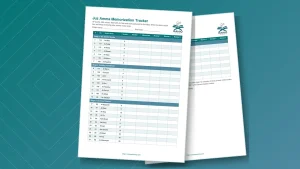
Free download: get the printable Juz Amma memorization tracker (PDF) to follow this schedule surah by surah.
The Daily 15-Minute Routine
The daily routine is what turns the plan into progress. Use this minute-by-minute structure:
- Minutes 1 to 3, Listen: play the new portion 3 to 5 times from a clear reciter such as Al-Husary.
- Minutes 3 to 8, Repeat: say it line by line after the audio or teacher, one or two ayahs at a time.
- Minutes 8 to 11, Test: your child recites the new portion without looking.
- Minutes 11 to 15, Review: recite yesterday’s portion and one older surah.
- Bedtime, Recite once: the newest surah, with a parent listening.
Keep it consistent:
- Pick one fixed time, such as after Fajr or before bed.
- Use the same mushaf every time so the page becomes familiar.
- Praise effort, not just results.
How Parents Who Don’t Read Arabic Can Help
Parents who don’t read Arabic can help their child memorize just as much as fluent readers, because the most useful jobs don’t require reading at all.
- Be the listener: sit with your child while they recite and follow along with the mushaf or audio.
- Play the audio: run the day’s portion in the car, during meals, or before bed.
- Own the tracker: tick off each surah and set the review days.
- Use transliteration only as a temporary aid: it can help you follow along, but it can’t teach correct sounds.
- Leave corrections to a teacher: if you’re unsure about pronunciation, note the question and ask at the next lesson.
A Simple Review System That Makes Memorization Stick
A simple review system makes memorization stick, and most children forget because they skip review, not because they can’t memorize. Divide everything your child knows into three groups:
- New (last 3 days): review every day.
- Recent (last 2 to 3 weeks): review 3 times a week.
- Old (everything before that): rotate so every older surah is reviewed at least once a week.
One rule helps a lot: don’t start a new surah while the last two are still shaky. If your child keeps forgetting, read why your child keeps forgetting Quran verses for what to adjust.
Using Prayer and Bedtime to Lock In Your Child’s Memorization
Prayer and bedtime are the easiest ways to lock in your child’s memorization, because they add repetition without extra effort.
- In prayer: recite the newest surah in one prayer each day and rotate older surahs through the others.
- At bedtime: one calm recitation of the day’s surah, with a parent listening.
- On the go: play the surah in the car or while your child plays quietly.
- At home: let your child “teach” a younger sibling. Teaching strengthens memory.
Keeping Your Child Motivated (and What to Do When They Resist)
Keeping your child motivated matters more than any schedule, and resistance is normal, especially around week three when the excitement fades.
- Celebrate each finished surah: a sticker, a small treat, or a family dua.
- Keep sessions short: stop while it still feels easy.
- Let them choose: which reciter to hear or which surah to review first.
- Missed a few days? Pick up where you left off and never restart from the beginning.
- Avoid comparisons: no racing siblings or cousins.
- Still resisting? Shorten the daily portion for a week and add more listening, then build back up.
Can Adults Use This Juz Amma Memorization Plan Too?
Yes, adults can use this Juz Amma memorization plan too, because the method works at any age: small portions, short surahs first, daily repetition, and regular review.
What changes for adults:
- Faster pace: 10 to 20 ayahs a day is realistic once a routine is set.
- Pronunciation first: get a teacher to correct your recitation early, before mistakes become habits.
- New Muslims: learn the Arabic letters and sounds first, and don’t rely on transliteration alone. Our guide on learning the Quran as a new Muslim can help.
- Fit it into your day: commute, lunch break, or the last 15 minutes before sleep.
- Add meaning: read a short translation of each surah, which makes memorizing easier. See how to learn Quran meaning.
Tools to Track Progress
Tracking your Juz Amma memorization plan keeps everyone motivated. Keep it simple:
- Our free PDF tracker: a 37-surah checklist with dates for starting, memorizing, and three reviews.
- A sticker or star chart: perfect for younger children.
- A weekly voice recording: compare progress over time.
- A weekly teacher check-in: for correction and encouragement.
You can pair it with a weekly Quran study plan to balance memorization with recitation.
FAQ
Q: What age can a child start memorizing Juz Amma?
A: Many children begin by listening and repeating around age 4 or 5, and structured memorization often fits from about 6 or 7. Every child is different, so follow their attention span.
Q: Should I teach Tajweed from the start?
A: Yes, correct pronunciation from the beginning, ideally with a teacher, then introduce Tajweed rules gradually as your child grows.
Q: What if my child forgets what they memorized?
A: That’s normal. Shorten the daily portion, review more often, and use the three-tier review system above.
Q: Can an app replace a teacher?
A: Apps are great for repetition and listening, but a teacher catches pronunciation mistakes an app can miss. Read more about Hafiz Quran programs.
Q: Should my child understand what they memorize?
A: Yes. Share one simple line about the meaning of each surah. It makes the words stick and makes prayer more meaningful.
Q: What is the best time of day to memorize?
A: After Fajr or before bed works well for many families. Choose a time you can keep every day.
Q: I don’t speak Arabic. Can I still help my child?
A: Yes. Listen, play the audio, track progress, and let a qualified teacher handle pronunciation.
Q: Can adults follow the same plan?
A: Absolutely. Use the same stages and routine, and increase the daily portion as your confidence grows.
Conclusion
A Juz Amma memorization plan for kids works when it stays small, steady, and encouraging. Start with Surah An-Nas, keep sessions to 15 minutes, review with the three-tier system, and use prayer and bedtime to lock everything in. The same approach works beautifully for adults who want a gentle, structured start.
If you’d like a qualified teacher to guide your child through it, explore our Quran classes for kids or book a free evaluation and see how a personalized plan feels.
